Tongkat Ali And Testosterone: What The Research Shows
Tongkat Ali (Eurycoma longifolia) is a Southeast Asian root with one of the more substantial modern research bases among men's vitality botanicals.
It is arguably the single ingredient with the clearest evidence in a formula like Horsehood's, though the dose and extraction ratio matter for comparing products fairly.
A long traditional history, followed by modern research
Tongkat Ali has centuries of traditional use in Southeast Asian folk medicine, historically associated with male vitality and stamina. Unlike many traditional botanicals whose modern research base is thin, Tongkat Ali has been the subject of a meaningful number of human studies — a genuinely different evidence tier than most ingredients in this category.
What the research generally measures
Human studies on Tongkat Ali have looked at measures including testosterone levels, stamina and stress hormone markers, typically using standardised extracts over trial periods of several weeks. Research is indexed on the NCBI database.
Why the extraction ratio matters
What the evidence does not support
Tongkat Ali is not a treatment for diagnosed low testosterone (hypogonadism), erectile dysfunction, or any other medical condition. Research generally shows modest effects in healthy adult men rather than dramatic transformations, and results build over weeks of consistent use rather than appearing immediately.
Applying this to Horsehood
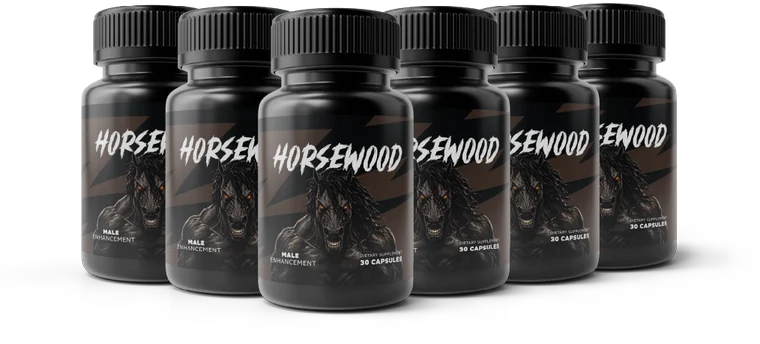
Tongkat Ali is the headline ingredient in Horsehood's seven-ingredient formula, disclosed at a 1,000mg equivalent from a 100:1 extract — a substantial, transparently stated amount relative to many competing formulas that hide amounts inside an undisclosed proprietary blend.